The Cheapest Ways to Get from an Airport to the City Center in Major Hubs
You land at 6:50am with a suitcase, a phone at 14 percent, and no idea whether the train outside costs four euros or forty. Airport transfers are where travel budgets quietly leak. A family of four that grabs the first taxi at Rome's Fiumicino can spend more on twenty-five minutes of driving than on a night in a decent hotel. Almost every major hub has at least one genuinely cheap route into the center, and it is usually quicker than the road. Here is how the options stack up, and how to choose before you land.
Why trains usually win
Airport rail links run on dedicated tracks or, at worst, on lines that avoid the worst of the traffic. When the ring road is jammed at 8am, the train keeps moving. Fares are fixed, so there is no surge pricing, no meter to watch, and no discussion about whether the driver knows your street.
They also tend to drop you somewhere useful. Amsterdam's Schiphol train puts you at Centraal in about fifteen minutes. Munich's S-Bahn runs straight under the center. Narita's rail options land you at Ueno, Nippori, or Tokyo Station, all of which connect onward without a second taxi.
The catch: trains are only cheap if you take the right one. Airport rail is often split into two products, one fast and one affordable, sharing the same destination.
Three questions to ask before you choose
Work these out at the gate, while you still have wifi.
- How many of you are traveling? The maths flips fast. One person on a bus saves a lot; four people splitting a taxi or rideshare often pay less per head than four airport express tickets.
- How much luggage, and how tired are you? A cheap route that involves two changes and a long staircase is a bad deal at 11pm with a toddler and two suitcases. Know your limits honestly.
- What time do you arrive? Late-night arrivals narrow your options: suburban trains stop, buses thin out, and a licensed taxi rank becomes the sensible choice rather than the lazy one.
Airport trains: watch the express premium
Most big airports sell a premium express and a slower commuter service to roughly the same part of town. The premium buys you speed and a guaranteed seat. The commuter version buys you maybe ten or twenty extra minutes.
The express trap
London is the textbook case. Heathrow Express runs nonstop to Paddington and is the most expensive per minute of any option at the airport. The Elizabeth line takes a little longer but costs a fraction of the fare and stops at Bond Street, Tottenham Court Road, and Farringdon, which is where many visitors actually want to be. The Piccadilly line is cheaper still, slower, and runs all night at weekends.
The same pattern repeats elsewhere. At Tokyo's Narita, the Narita Express and the Keisei Skyliner are the fast, pricier picks, while the ordinary Keisei line to Ueno costs far less for a longer ride. In Seoul, the AREX Express runs nonstop to Seoul Station, but the all-stop commuter train on the same tracks ends at the same place for roughly half the fare. Same platform, different ticket machine, very different price.
Buses: the cheapest option most travelers ignore
Airport coach services are unglamorous and reliably good value. They usually run every ten to twenty minutes, have space for real luggage, and drop you at a central square or station rather than a suburban rail platform.
Barcelona's Aerobús is a clean, frequent run to Plaça Catalunya and Espanya. Athens runs the X95 to Syntagma and the X96 to Piraeus. Istanbul's Havaist coaches fan out across the city from the new airport. Hong Kong's A11 and A21 buses cost a small fraction of the Airport Express, with the trade-off being a longer ride through traffic. Rome's coach services to Termini undercut the Leonardo Express considerably.
Two habits matter: buy your ticket in the app or from the driver before boarding, and confirm which stop you want. Airport buses often serve several, and the first one is rarely the most convenient.
Taxis, rideshares and shared shuttles
For two or more people with luggage, a door-to-door ride is often the sane choice, especially at night or in cities where the rail link requires a change. Shared shuttle vans sit between the two: cheaper than a private car, slower than everything else, and heavily dependent on how many other passengers are going your way.
Where a licensed taxi rank exists with fixed or metered fares, use it rather than accepting a lift from someone approaching you inside arrivals. In some cities, rideshare apps can only pick up in designated zones away from the terminal, which adds a walk you did not plan for. Also check whether airport pickups carry a surcharge, toll, or booking fee before you compare prices with the train.
A quick cheat sheet for major hubs
- London Heathrow: Elizabeth line or Piccadilly line. Skip the express unless minutes matter more than money.
- Paris CDG: RER B into Gare du Nord, or the Roissybus to Opéra.
- Amsterdam Schiphol: the NS train to Centraal, roughly every few minutes.
- Hong Kong: Airport Express for speed, A11 or A21 buses for value.
- Barcelona: the R2 commuter train beats the metro, which requires a pricier airport ticket.
- Rome Fiumicino: the FL1 regional train or a coach to Termini instead of the Leonardo Express.
- New York JFK: AirTrain to Jamaica plus the LIRR, or AirTrain to Howard Beach plus the A train.
- Singapore Changi: MRT with one change; taxis are metered and well regulated.
What to do on arrival day
Before you fly, screenshot the route and take a photo of the ticket price. At the airport, follow signs for trains or buses rather than the taxi queue, and check whether your bank card works directly on the gates; London, for example, lets you tap in and out on most rail and metro journeys with a daily cap. If you are paying cash, buy and validate your ticket before boarding, because inspectors do fine passengers.
Finally, build in slack. A transfer that takes thirty-five minutes at noon can take an hour at rush hour, and the cheapest option is only good value if it still gets you to the hotel in time for dinner.
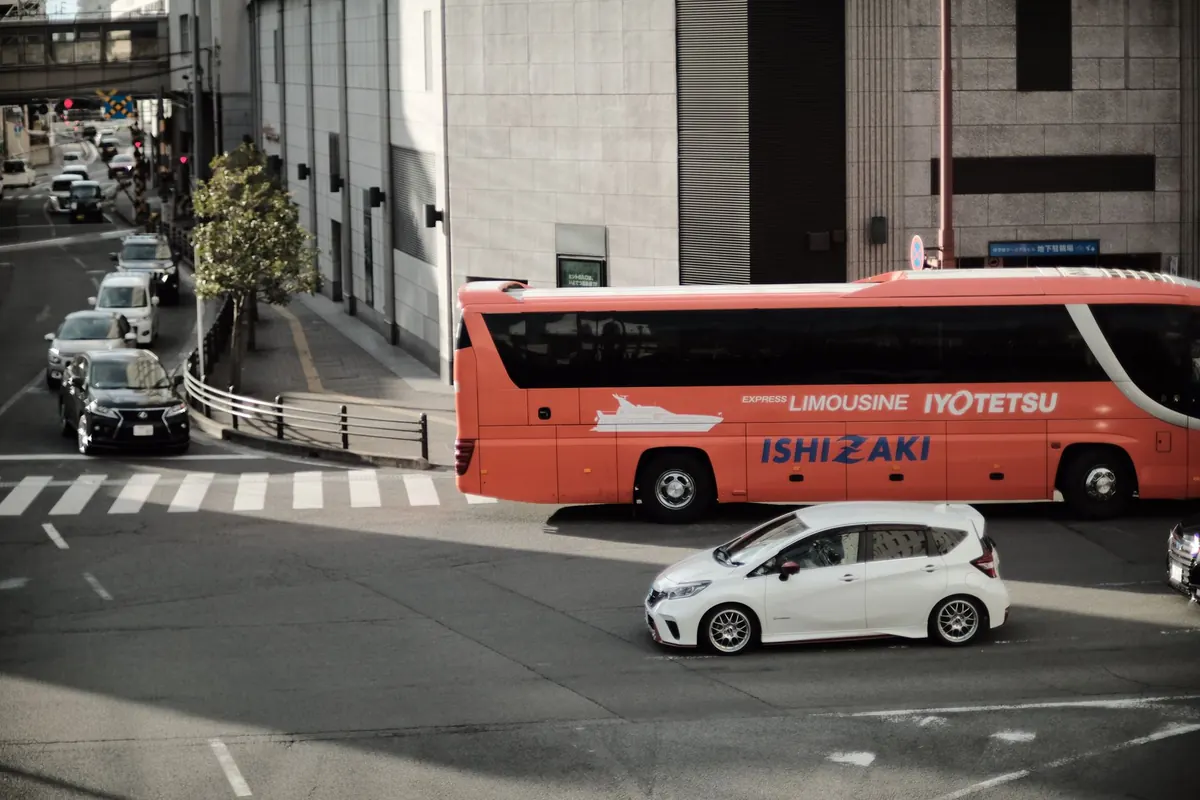
Photo: Mak_ jp / Pexels