How to Visit Iceland on a Budget Without Renting a Car
Iceland has a way of making your budget look foolish before you've even landed. The flight gets booked, and then come the rental quotes: a small SUV, gravel insurance, sand-and-ash cover, fuel at prices that make you wince — all for a car you'll park for hours at a time while you're out hiking. You can skip it. Between public buses, small-group tours, hostel dorms and supermarket meals, a genuinely good Iceland trip is possible on a fraction of the car-based budget, especially in the southwest, where most first-time itineraries already sit anyway.
Why the car isn't the magic key
The rental car gets sold as freedom. In practice, on a four- or five-day trip, most people drive the same loop: Reykjavík, the Golden Circle, the South Coast as far as Jökulsárlón, then back. That's the best-served stretch of the country for buses and tours, which means the thing you're paying for is mostly the ability to stop wherever you like.
Driving here also comes with conditions visitors from gentler climates routinely underestimate — sudden coastal wind, single-lane bridges, loose gravel, and winter roads that demand real experience. Tour drivers face that every day. What you give up by not driving is spontaneity: the random waterfall pull-off, the roadside ice cream. If that matters more to you than money, rent the car. If it doesn't, keep reading.
Landing, and getting around Reykjavík
From Keflavík airport, the Flybus and Airport Express run to Reykjavík's BSÍ bus terminal, with connections or drop-offs at some hotels and guesthouses. Book online in advance — it's cheaper than buying at the counter — and the coaches are timed around arriving flights.
Inside the city, Strætó runs the yellow buses. Buy your ticket in the Klappið app rather than paying the driver, and note that one ticket covers a set time window with transfers, so you can chain errands on a single fare. Multi-day passes exist and make sense if you'll ride several times.
Central Reykjavík is compact. Hallgrímskirkja, the old harbour, the Sun Voyager and the Laugavegur shopping street are all walkable from most hostels. Save the bus for the geothermal pools — Laugardalslaug and Sundhöllin cost a fraction of the Blue Lagoon and are where locals actually swim. Bring a towel, and follow the shower rules: wash thoroughly without swimwear before you get in.
The long-distance bus network, honestly
Strætó's long-distance services leave from Mjódd, a terminal in the eastern part of Reykjavík. Routes reach towns including Hveragerði, Selfoss, Vík and, on certain days, much further north. Schedules are thin — often a single departure a day, sometimes weekdays only — and some services need booking ahead, online or by phone.
Treat these buses as transport between towns, not as sightseeing. You'll reach Vík, but you won't stop at Seljalandsfoss on the way. A useful pattern is to bus to a town and join a local tour from there, then bus back or continue.
Check the timetable the day before and again on the morning. Weather closes roads, and a cancelled bus in a small town with one daily departure is a real problem.
Tours: where your money goes furthest
Day tours
The Golden Circle, the South Coast, Snæfellsnes, Jökulsárlón, glacier walks, winter ice caves, Northern Lights hunts — all run as day trips from Reykjavík. Big coaches are cheaper; minibuses cost more but move faster and stop more often. Book direct with the operator where you can, and read the cancellation policy closely. Northern Lights tours usually re-run free if the aurora doesn't show.
Multi-day tours
Two- and three-day trips to the glacier lagoon or around Snæfellsnes bundle transport, guiding and often a night in a guesthouse or hostel. Priced as a package, they frequently cost less than assembling the same pieces yourself, and they solve the problem of reaching places no scheduled bus serves. You also sleep on the drive, which is not nothing when the daylight is generous and the days are long.
Sleeping cheap without sleeping badly
- Hostels. Dorm beds in Reykjavík and along the South Coast keep costs low, and private rooms in hostels still undercut most hotels. Look at HI-affiliated properties and central places such as Kex. Book early for June through August and for aurora season.
- Guesthouses and farm stays. Often include breakfast, which is one meal you no longer have to buy. Rural ones are worth the detour if a tour drops nearby.
- Campsites. The cheapest option if you own gear or can rent a tent and sleeping bag. Most have showers, toilets and cooking shelters. Wild camping is tightly restricted in Iceland, including inside national parks, so plan on designated sites.
- Timing. Shoulder seasons — late May, September, early October — bring lower rates and thinner crowds, though fewer tours run.
Eating for less than you'd expect
Make the supermarket your restaurant for two meals a day. Bónus, Krónan and Nettó are the cheaper chains; the convenience stores on the tourist streets charge considerably more for the same items. A workable basket looks like this:
- Skyr and oats for breakfast
- Bread, cheese, ham and fruit for packed lunches
- Pasta, rice, tinned fish and soup for hostel-kitchen dinners
- Coffee, chocolate and a bag of salad so it doesn't feel like rationing
Refill a water bottle from the tap. Icelandic tap water is excellent and free, which makes bottled water the most avoidable expense in the country. Other good-value stops: the hot dog stands, bakeries, and the soup-and-bread lunch specials many cafés run. Alcohol comes from the state Vínbúðin shops, not bars, if you want it at all. In small towns the selection is limited, so stock up in Reykjavík or Selfoss if you have dietary needs.
Putting it together: a five-day budget trip
- Day one. Flybus in, walk the city, swim at Sundhöllin, cook dinner at the hostel.
- Day two. Golden Circle day tour.
- Day three. South Coast day tour or the first leg of a two-day tour.
- Day four. Second day of the South Coast tour, or a free walking tour, Hallgrímskirkja tower and a long soak.
- Day five. A Northern Lights tour in winter or a lazy morning before the airport bus.
Before you go, check the forecast at vedur.is, travel conditions at safetravel.is and road status at road.is. Pack wool, a fleece, a waterproof shell, a hat and gloves even in July. Book beds and popular tours ahead for peak season.
Costs shift with the exchange rate and the season, so build your own numbers rather than trusting someone else's total, and keep a buffer for a washed-out day and a last-minute tour. For anything with legal, insurance or medical weight — driving rules, coverage, pre-existing conditions — check official sources or ask a professional instead of a travel blog. Everything else, you can figure out on the bus.
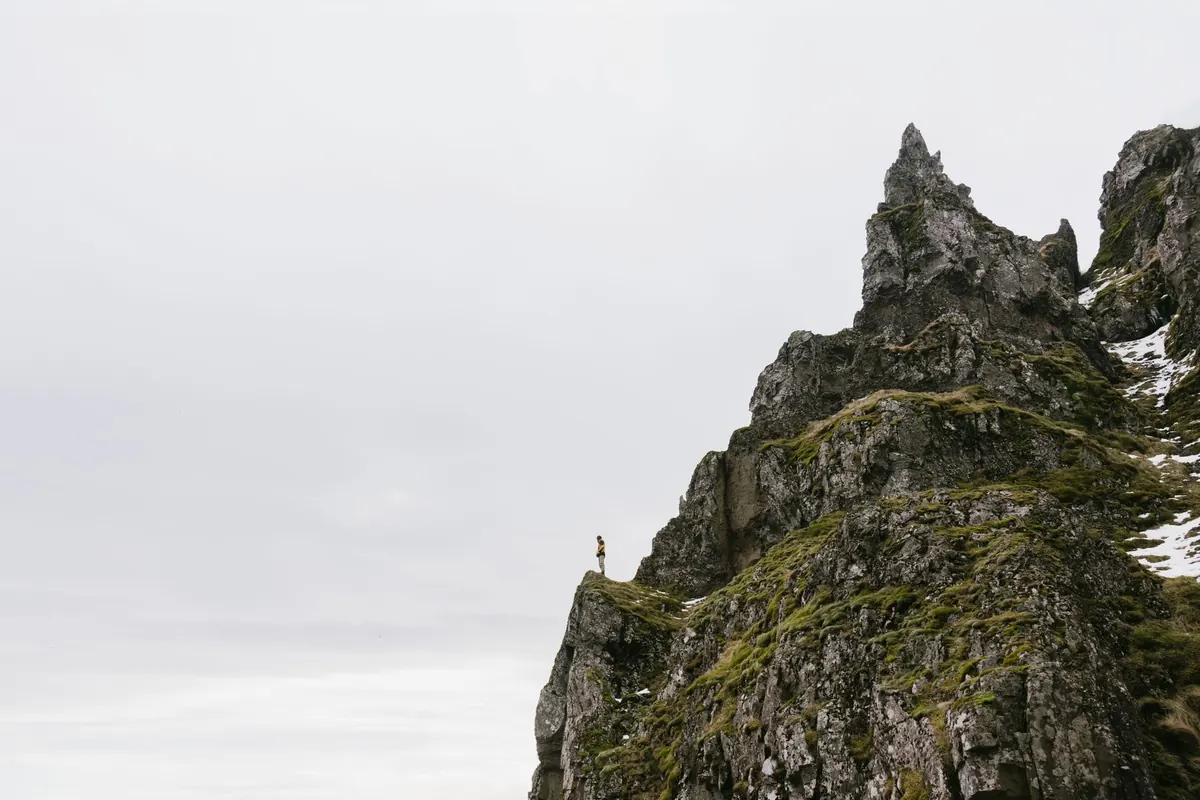
Photo: Jon Eliya / Pexels