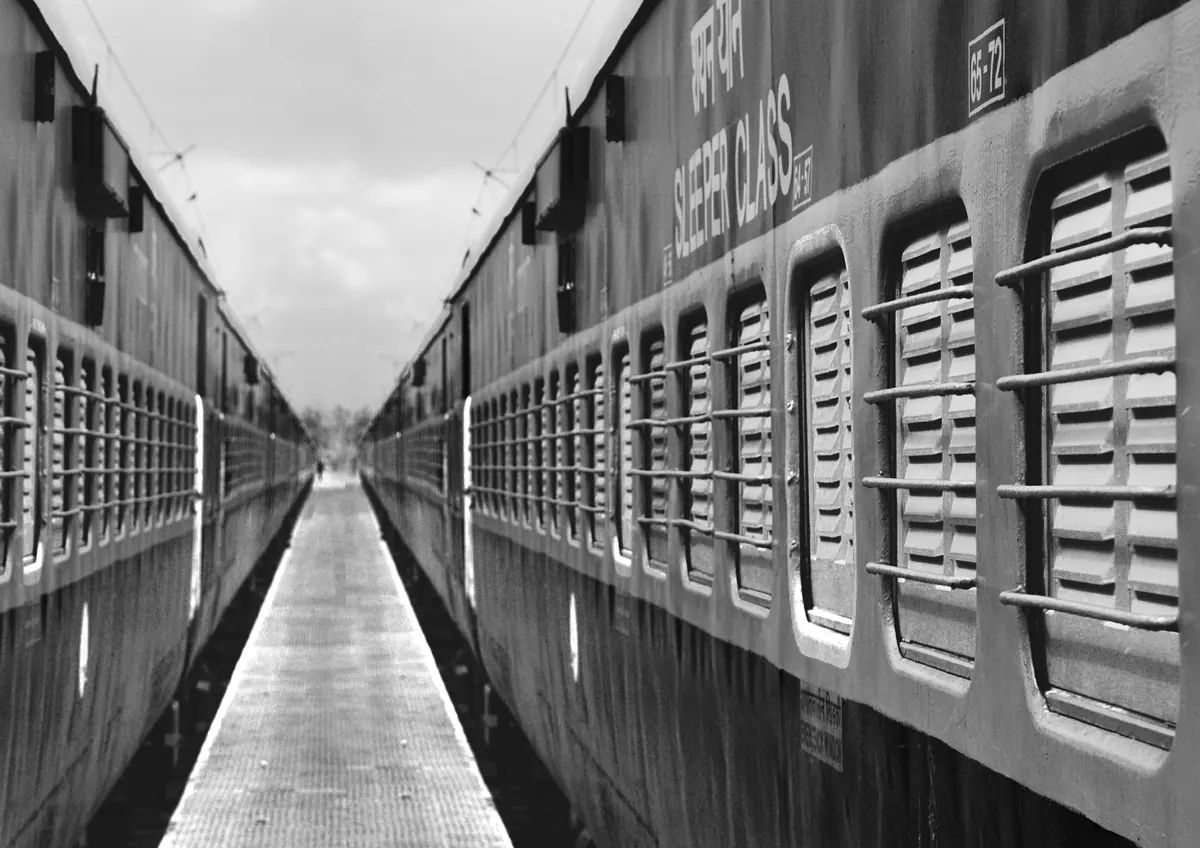
A First-Timer's Guide to Overnight Trains in Southeast Asia
There is a moment on every overnight train in Southeast Asia, somewhere between the third station and sleep, when the carriage goes quiet, the lights dim to a dull orange, and the whole contraption starts to feel less like transport and more like a slow-moving hotel. Getting to that moment takes a little planning. Not much, but a little.
This guide covers the routes worth considering, how to book a berth without getting burned, what the compartments actually look like, and the small rules of conduct that make a night in a shared carriage pleasant for everyone — including you.
Pick a route where the night does the work
Overnight trains make sense when the journey is long enough to justify sleeping through it. A few of the well-trodden ones:
- Bangkok to Chiang Mai (Thailand): the classic first sleeper, departing from Krung Thep Aphiwat station.
- Bangkok to Nong Khai or Hat Yai: long northbound and southbound hauls with proper sleeper carriages.
- Hanoi to Da Nang, Hue or Ho Chi Minh City (Vietnam): the Reunification Express, best done in a soft-sleeper four-berth.
- Jakarta to Yogyakarta or Surabaya (Indonesia): Java's night trains are comfortable and popular with local families.
- Yangon to Mandalay (Myanmar): slow, rattly, memorable — check current conditions before committing.
Shorter hops, under about six hours, are usually better done in daylight. Otherwise you pay for a bed you barely use.
Booking a sleeper berth
Berths sell out before seats do, especially on weekends, public holidays, and the weeks around major festivals. If your dates are fixed, book as soon as the window opens. Advance booking periods vary by country and do change, so check the operator's own site rather than trusting an old blog post.
Three ways to book, roughly in order of convenience
- Official railway websites and apps. Thailand's state railway sells online, Vietnam Railways has its own portal, and Indonesia's rail operator has a usable app. Cheapest, but English-language support and foreign card acceptance can be patchy.
- Reputable ticket agents. Sites like 12Go and Baolau resell the same berths with a small markup and much friendlier interfaces. You will often get an e-voucher to swap for a paper ticket at the station.
- At the station counter. Fine for next-day travel in low season, risky for anything else. Bring your passport and be ready to point at a train number on paper.
Whichever you choose, print or screenshot your confirmation. Station wifi is not a plan.
Upper or lower?
In Thai and Malaysian carriages, the lower berth is wider, has a window, and costs a little more. The upper is narrower, cheaper, and catches the better breeze. In Vietnam, "soft sleeper" means a four-berth cabin with proper mattresses and a door; "hard sleeper" means six berths in three tiers, comfortable enough but with less privacy. Solo travellers are frequently paired with strangers of the same gender, but this is not guaranteed — if that matters to you, buying every berth in a cabin is the only sure fix.
What to expect onboard
Carriages are air-conditioned, sometimes aggressively so. Blankets and a small pillow are usually provided, and the attendant converts the seats into beds after the evening meal. Bring a light fleece for the aisle.
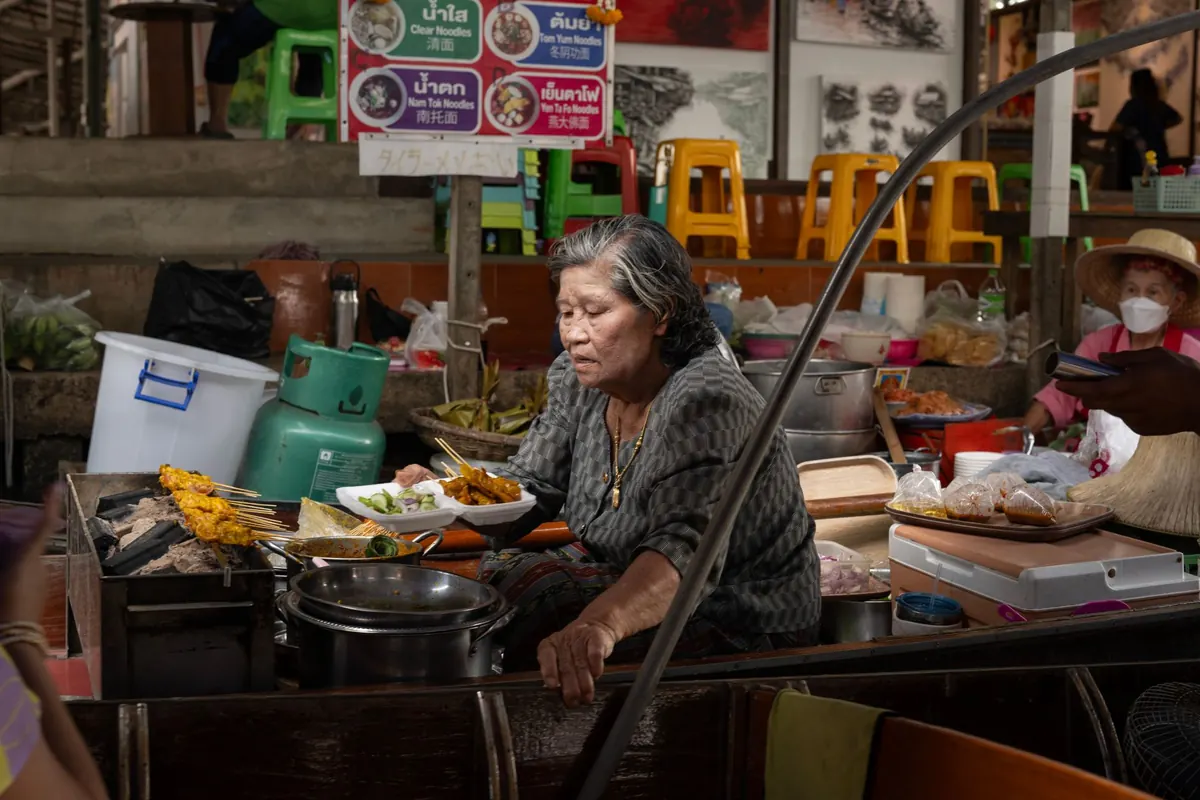
Food ranges from surprisingly good to bring-your-own. Some trains have a dining car; most have vendors walking the aisle with rice, noodles, fruit and beer. Station stops are the real highlight — you get a few minutes to jump down and buy grilled skewers or sticky rice through the window. Watch for the whistle.
Toilets are basic squat or western-style cubicles at the end of the carriage. Use your own tissue and hand sanitiser, and wear shoes you can slip off.
Safety without the paranoia
Overnight trains are generally safe, and the realistic risks are petty: a phone left charging in the corridor, a bag left unattended while you eat. A few habits cover most of it.
- Keep passport, cards and cash in a pouch on your body, not in the bag above your head.
- Lock your main pack to the frame or bed rail with a small cable lock.
- Note your arrival time and set a quiet alarm — some attendants wake passengers, some don't.
- Buy your own drinks. Do not accept opened food or drinks from strangers.
- Trust your gut about the people around you, and ask the attendant to move you if something feels off.
Travel insurance covering medical care and baggage is worth arranging before you leave home, and it is worth checking your own government's travel advisory for each country on your route. If you have health conditions or take regular medication, speak to a doctor about the trip in advance.
Etiquette in a moving bedroom
You are sharing a small space for twelve hours with people who may not speak your language. Small courtesies do a lot of work.
- Greet your neighbours. A nod and a smile sets the tone for the night.
- Keep bags out of the aisle and shoes tucked under your berth.
- Use headphones after lights-out and take calls to the corridor connection.
- Share the small table if someone needs it, and offer to swap if a family has been split up.
- Don't hog the lower seat during the day if you are booked upstairs.
Take your rubbish with you. Attendants are not a cleaning crew, and tipping is not expected — though a quiet thank-you in the morning never goes amiss.
The practical bits
Arrive at the station 45 to 60 minutes early, especially if you need to convert a voucher into a ticket. Carry cash in local currency for vendors and platform snacks; cards are close to useless trackside. Pack earplugs, an eye mask, a power bank, and a refillable bottle you can top up at a station dispenser.
Then do the thing first-timers find hardest: put the phone down, pull the curtain back, and watch the paddy fields slide past in the dark. That part you cannot book in advance.
Photo: Animesh Srivastava / Pexels